
Every senior applicant hands over the same three things: a resume, a LinkedIn URL, and a cover letter nobody finishes. A personal website is the one asset that makes a hiring manager stop scrolling and actually look you up.
So is it worth building one? Yes – not because it’s fancy, but because it’s the only place you control the entire story a recruiter sees when they Google your name. Everywhere else, an algorithm or an application form decides what shows up. On your own site, you decide.
Short version: a one-page personal website takes about 30 minutes to build, costs little or nothing, and hands a recruiter a single link that answers “who is this person and what have they done?” before the interview even starts.
What a personal website does that LinkedIn can’t
LinkedIn is rented land. It ranks you against everyone else in the same search, it forces your story into the same template as ten thousand other profiles, and it can change the rules whenever it wants. Your own site, by contrast, is the one page where the layout, the order, and the emphasis are yours.
That matters because your whole search now plays out online – even back in 2015, Pew Research found that 79% of job seekers used online resources in their most recent search, a share that’s only grown since. And most employers look you up before they ever call: a 2018 CareerBuilder survey put the share who screen candidates online at around 70%. So the question isn’t whether they’ll search your name – it’s what they find when they do. If the top result is a half-finished profile, you’ve handed the narrative to the algorithm. If it’s a clean page that shows your best work in ten seconds, you’ve kept it.
This is the same instinct behind optimizing what recruiters see on your LinkedIn profile – except here, nobody else owns the canvas. In my practice, the candidates who add a simple site tend to get more replies to cold outreach. When a hiring manager can see your best work in a glance, answering your message feels lower-risk.
What actually goes on the page
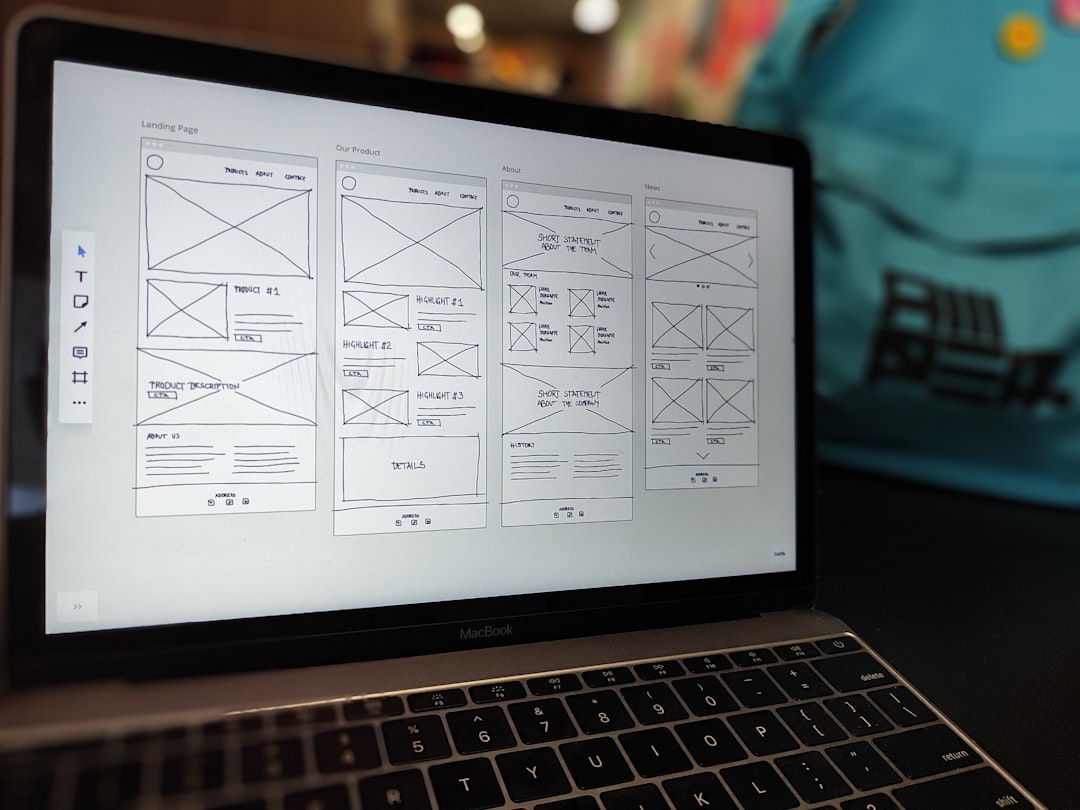
You don’t need a portfolio agency or a five-tab site. Think of the page as your personal brand, built on purpose rather than by accident. In fact, a single scrollable page beats a sprawling one, because a busy recruiter won’t click around. Include these six blocks, in this order:
- A one-line headline. Your target role and the value you bring, not “aspiring leader.” Think “Product leader who ships 0-to-1 in regulated markets.”
- A three-sentence positioning paragraph. Who you help, the problems you solve, and the proof. Treat it like a sharper version of your resume’s opening – the same principle behind a strong resume summary that gets you called.
- Three or four proof projects. Each one is a problem, your action, and a number. “Cut onboarding time 40%” beats “responsible for onboarding.”
- A short bio. Two or three human sentences. People hire people, so let some personality through.
- One testimonial or quote. A line from a manager, a client, or a colleague. Borrowed credibility works.
- Contact plus a resume link. Make the next step obvious – an email and a downloadable PDF, nothing buried.
Notice what’s missing: a blog you’ll never update, a photo gallery, a skills bar chart. Cut anything that doesn’t help someone decide to talk to you.
The 30-minute personal website build
Here’s the part people overthink. You can ship a credible site in half an hour with tools that need zero code:
- Buy your name as a domain (yourname.com), usually under $15 a year. It’s the single strongest signal that you take this seriously.
- Pick a no-code builder – Carrd, Google Sites, or a Notion page with a custom domain. All are free or nearly so, and all are live in minutes.
- Drop in the six blocks above. Write the copy in a doc first, then paste it in. Design second, words first.
- Check it on your phone. Most recruiters open your link on mobile, so if it’s broken there, it’s broken.
- Ship it, then link it everywhere – your LinkedIn headline, your email signature, and the top of your resume.
In the end, done is the goal, not perfect. You can polish it later, but a live one-pager today beats a beautiful site you never launch.
When a personal website is worth it (and when to skip it)
A site earns its keep fastest for senior individual contributors, people with visible work (designers, engineers, writers, marketers, founders), career changers who need to reframe their story, and consultants who sell themselves. If that’s you, build one this week.
That said, sequence matters. If your resume and LinkedIn are still weak, fix those first – a website won’t rescue a broken foundation. The same discipline applies to running a targeted, reverse job search: do the highest-impact work before the nice-to-haves. And if you’re in a heavily regulated field where public self-promotion is frowned upon, keep the site minimal or private.
For everyone else, though, the math is simple. So spend the thirty minutes: you get a link that works while you sleep, controls your first impression, and separates you from the pile of identical applicants.
Frequently asked questions
Do I need a personal website to get a job?
No, but it’s a low-cost edge. You can land a role without one, yet a clean site makes you easier to say yes to – especially for senior or portfolio-based roles where the hiring manager wants to see the work.
What should a personal website include for a job search?
A one-line headline, a short positioning paragraph, three to four proof projects with real outcomes, a brief bio, one testimonial, and a contact block with a resume link. One page is enough.
How much does a personal website cost?
Often nothing beyond a domain name, which runs about $10-$15 a year. No-code builders like Carrd, Google Sites, or Notion cover the rest for free or close to it.
Personal website or LinkedIn – which matters more?
LinkedIn matters more for being found, since recruiters search it directly. Your personal website matters more for what they think once they find you. You want both working together, not one instead of the other.
What to do next
If you want to see where your search is actually leaking – visibility, story, interviews, or offers – take the RHINO quiz. Five minutes, no email required.
If getting found by recruiters is the piece you want to fix first, read LinkedIn Settings That Decide If Recruiters Can Find You next – it pairs directly with the site you just built.
If you’d rather have someone look at your whole search and tell you exactly what to change first, book a free strategy call.