
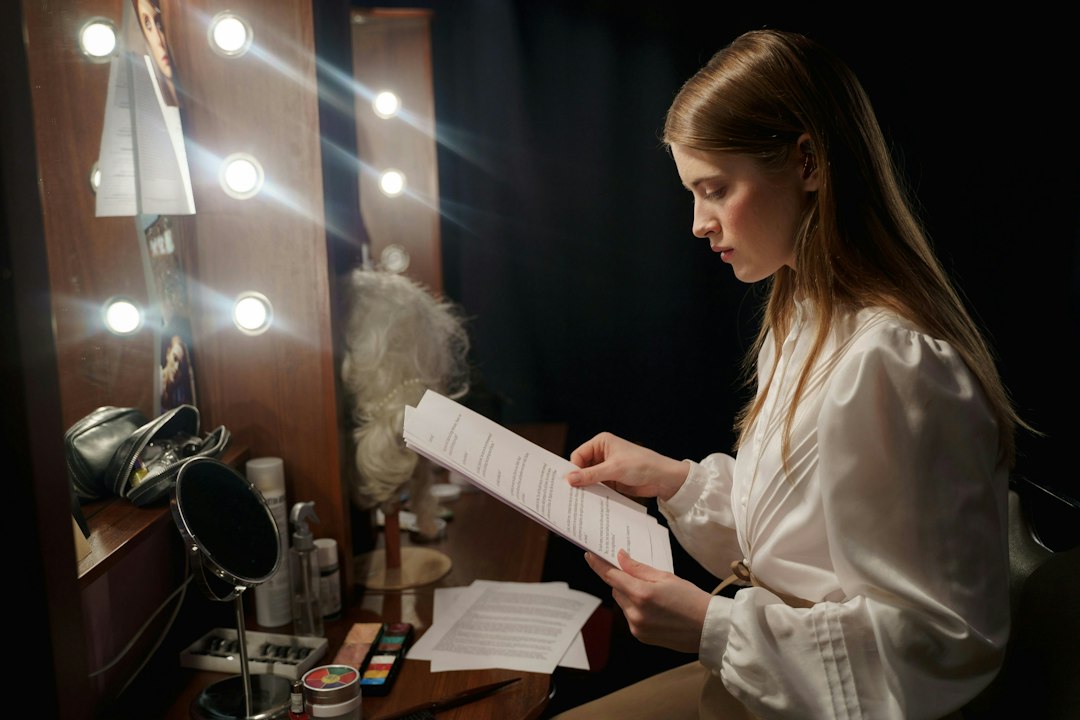
I lost a final round because I over-prepared. My interview prep beat every other candidate’s that week, and it still wasn’t enough.
Quick answer: Interview prep in the last 24 hours comes down to five things. Spend 30 minutes researching the company, decode the job description, prepare three strong stories, rehearse your tell-me-about-yourself out loud, and write three questions to ask. Then stop and sleep. Rest beats a sixth hour of cramming.
Why does over-preparing cost you the interview?
I was a product manager going into a full-day, on-site loop for a Principal-level role. On paper, I was a perfect fit: right level, right experience, even the right industry. Restaurant tech was my jam.
So the night before, I built a detailed mockup of a feature I thought the company should build. I designed it, wrote it up and walked in ready to present it. That was my interview prep, and it felt like the work of someone who wanted the job.
Then they asked a few hard questions about my own experience. I didn’t have a story ready for a single one of them, so I winged it. I lost that round.
Here’s the lesson. Interviewers don’t hire the candidate who did the most work. They hire the one who made the risk of hiring them feel smallest, and that happens through answers about your past, not a mockup of their future. In fact, the mockup was a guess at what they wanted. The stories were what they’d actually asked for.
What should interview prep look like in the last 24 hours?
Interview prep in the final day should cover five jobs, in this order. None of it takes hours. That’s the part I got wrong.
- Research the company in 30 minutes. Find their latest news, funding and product direction. Then learn one unique thing about each interviewer’s background or opinions. Pick three specifics you can mention naturally, not to impress anyone, but to show you did the work. If you want a faster method, here’s how to research a company before an interview in 15 minutes.
- Decode the job description. Read it a few times and highlight the requirements that show up most. Every story you tell should connect your experience to at least one of them.
- Prepare three strong stories, not ten. You need one hard problem you solved under pressure, one time you led without formal authority, and one time something went wrong and what you did about it. Then practice each one out loud, because rehearsing in your head doesn’t count. If you’ve built five versatile interview stories, you can pull all three from that set.
- Nail your tell-me-about-yourself, and match its length to who’s asking. Recruiters need more content, while executives need far less. It’s the same information with a different build, so rehearse both until they sound natural.
- Prepare three smart questions. Skip “What’s the culture like here?” and “What do you like best about working here?” The questions you ask are part of your interview, so pick ones that get real answers.
How much sleep should you get before an interview?
Get at least seven hours. The CDC says adults aged 18 to 60 need 7 or more hours of sleep a night, and that’s the number to protect, not the one to trade away for one more run-through.
So get off the screen by 10pm. Review your stories once, set out what you’re wearing and go to bed. The best prep you can do after 10pm is rest. By the way, I was up until 1am working on that mockup. Mistake.
When should you build a mockup or work sample?
Build one only when they ask for it, or when your stories are already done. Extra work is a bonus on top of the five jobs above, never a replacement for them. The order matters because the hard questions come first, and no mockup answers “tell me about a time something went wrong.”
Here’s a quick check before you add anything extra: can you tell all three stories out loud without notes? If not, the stories are your next task, not the slides. And if nerves are still the problem after that, read about why interview anxiety is a prep problem.
FAQ
What should you do the day before an interview?
Research the company for 30 minutes, decode the job description, prepare three stories, rehearse your tell-me-about-yourself and write three questions. Review your stories once that evening, then get off screens by 10pm.
How long should interview prep take?
Less than most people think. The final-day plan above takes a focused session, not an all-nighter. Practicing three stories out loud beats reading ten of them silently.
Can you over-prepare for an interview?
Yes. Over-preparing happens when you pour hours into extras, like a mockup, and skip the basics, like stories for hard questions. I lost a final round that way.
What to do next
If you’re wondering how long your search is stretching out, run the job search cost assessment. It takes 90 seconds and shows you the monthly cost of the delay.
If you want to finish strong once the prep pays off, read How to Close an Interview: The Last 5 Minutes Decide next.
If you’d rather have someone run a mock interview with you and tell you what to fix first, book a free strategy call.